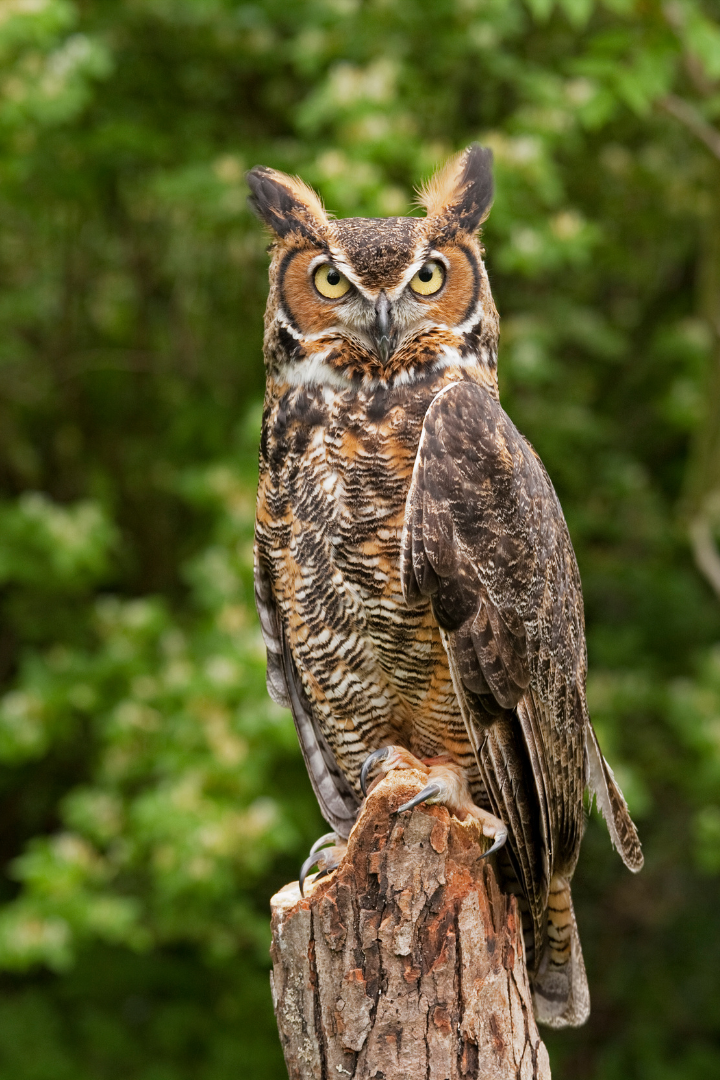
The adaptations of a raptor’s digestive system are vital for its active life.

Raptors are amazing creatures designed to be effective aerial predators. Every part of their anatomy supports flight, including their digestive systems.
Efficient digestion is critical as it supplies the energy required for awe-inspiring aerial maneuvers, powerful bursts of speed, and, for some, long-distance travel.
As carnivores, raptors depend on diets rich in protein and fat to fuel their active lifestyles. Just as different cuts of meat vary in nutritional value for humans, different prey species provide varying levels of calories and nutrients.
A raptor’s anatomy, primary flight style, and diet are closely connected. Wing length, shape, and width influence how a raptor flies, which in turn affects the type of prey it can capture. The digestive system is then adapted to extract the maximum energy from that specific diet.
For example, fast, active hunters, such as many species of falcons, have shorter small intestines than species that use more search-based hunting strategies, such as owls and soaring raptors. Shorter intestines reduce body weight, increasing speed and agility. To compensate, these birds often consume energy-rich, easily digested prey—often other birds—and absorb nutrients more quickly.
Raptors also share several digestive traits common to other birds. Diurnal raptors (hawks, eagles, osprey, vultures, etc.) possess a crop, an enlarged section of the esophagus that allows food to be stored temporarily. This adaptation lets them eat a large meal quickly and retreat to a safer location to digest. Owls, on the other hand, lack a crop and often swallow prey whole, minimizing time spent exposed on the ground.

In addition, all raptors have a two-part stomach. Strong acids in the upper part begin to chemically break down the food, while the lower part mechanically grinds food and compresses indigestible material (fur, feathers, and large bones) into pellets that are later regurgitated. Like other body systems, the digestive system of raptors is brilliantly designed to support these powerful, agile hunters of the sky.