Dr. Dana and Dr. Annette perform surgery on a bald eagle's wing. | Photo by Anthony Baffo
Morning treatments: The clinic awakens

Each day at The Raptor Center’s (TRC) hospital begins with energy and a sense of purpose. By 7:30 a.m., my team has arrived, including our associate vet, veterinary technicians, rehabilitator, veterinary interns, clinic manager, and volunteers. They each play a critical role in ensuring every raptor receives the highest level of care.
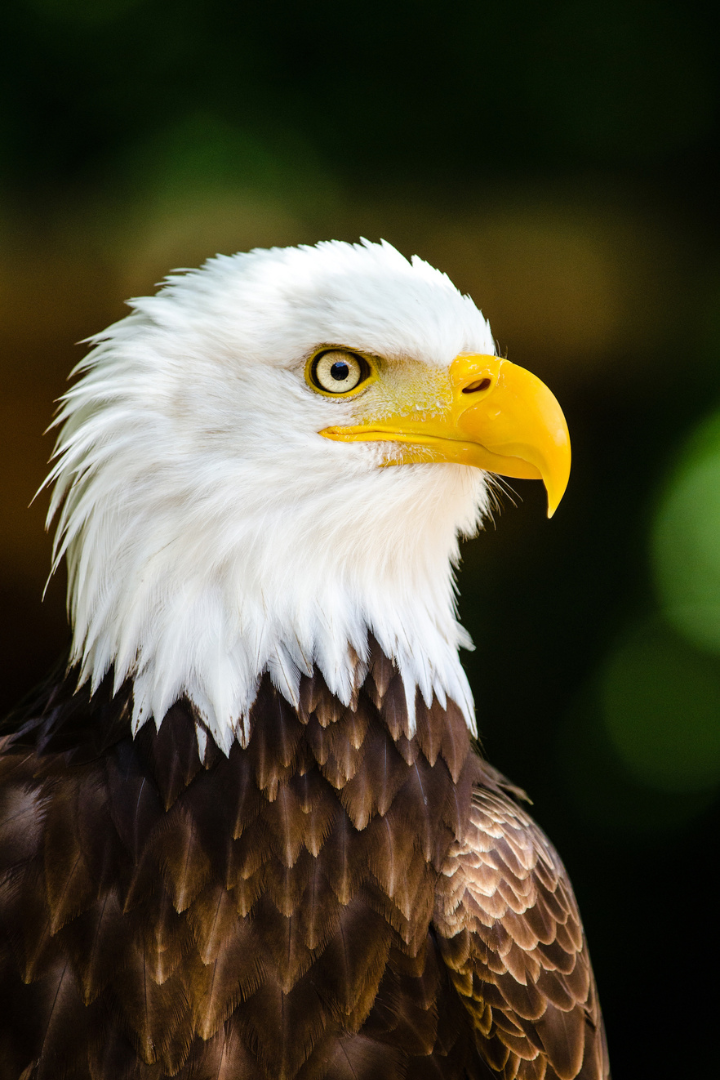
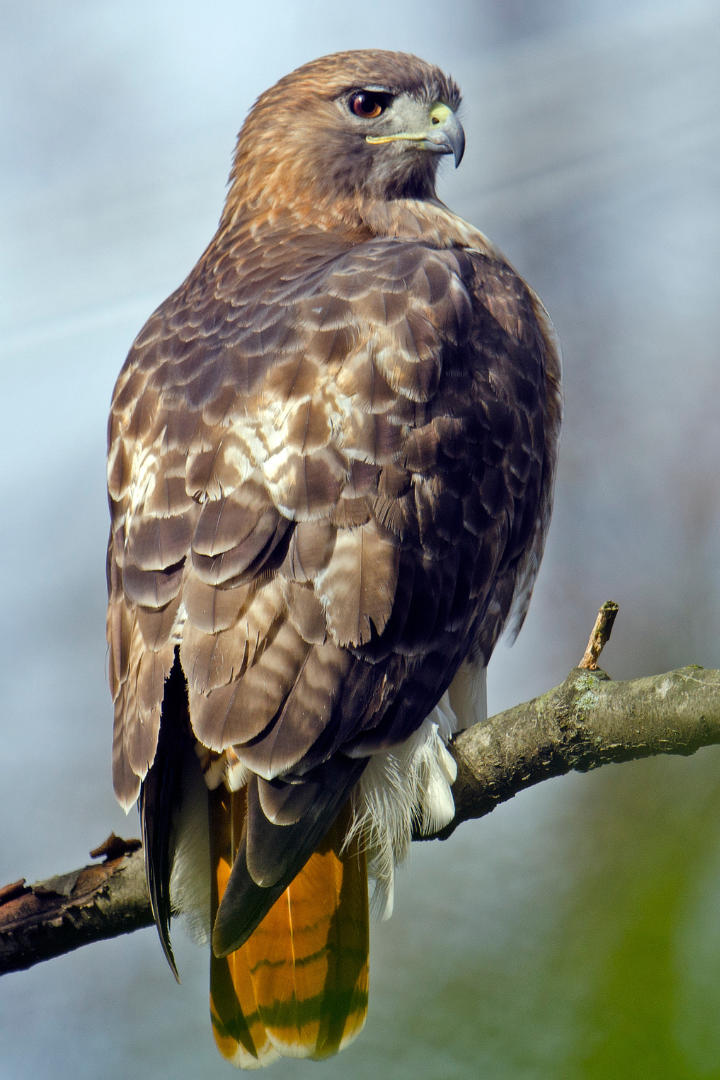
The wind beneath my team’s wings is our clinic manager, who keeps track of peoples’ needs and patient processes. Veterinary technicians are the heart of our clinical operations. They manage daily patient checkups, prepare medications, assist with surgeries, conduct radiographs, record libraries of vital data, and more. The veterinarians begin the day by doing recheck examinations and treating hospitalized patients. This may include anything from an in-depth eye exam on a bald eagle, to an intensive wound treatment and physical therapy session for a red-tailed hawk.
In the morning, our flight crew volunteers head out into the field. Here, they can provide opportunities for raptors in the rehabilitation stage of care to rebuild their weakened flight muscles. The morning crew of clinic volunteers rounds out the team. They tackle essential tasks including cleaning enclosures, assisting with patient treatments, and preparing food and medications.
As the world wakes up around us, our phones begin to ring with reports of raptors in need throughout Minnesota. Our front desk team begins arranging often complex transports to get birds to the raptor hospital as soon as possible for care.
These early hours blend clinical precision with deep compassion, setting the tone for the rest of the day.
Midday care: The rhythm of recovery
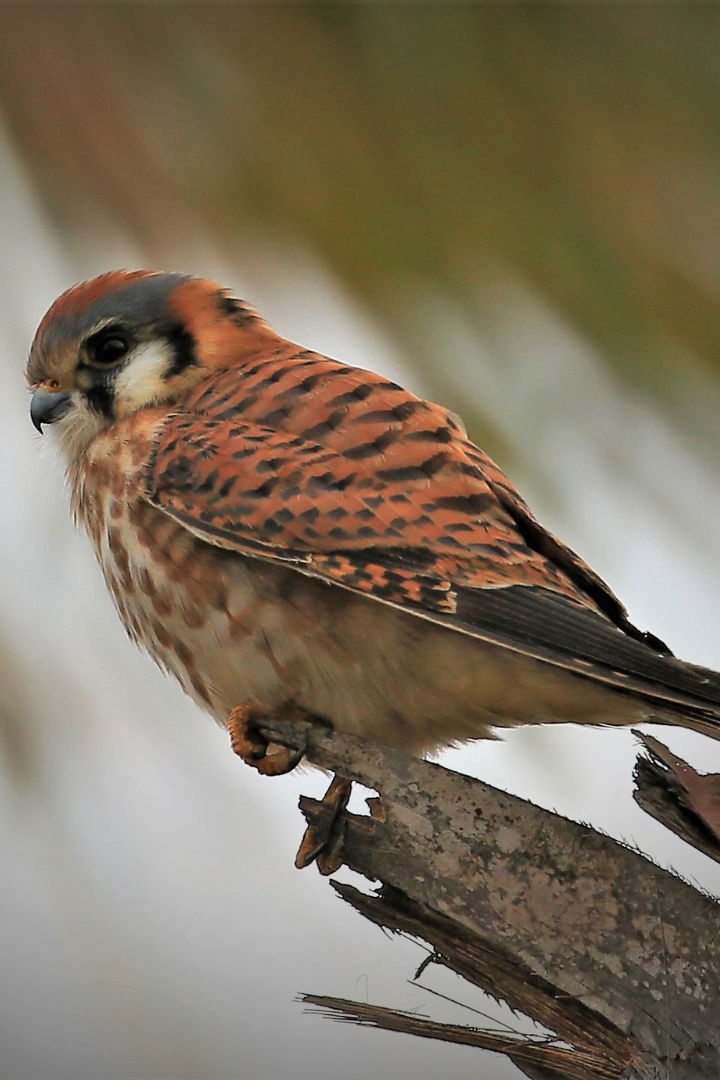
By midday, the clinic is in full swing. Our rehabilitator and veterinary technicians lead care for patients that have recovered from an illness or injury and are preparing for release. An American kestrel might be having an exercise session in our indoor flight hall. A young owl may be in a prey training session that will build its hunting drive before release.
Each day, our entire team gathers in the treatment room for midday rounds. We review the progress of each patient and ensure every animal has everything they need to continue their journey to recovery. This is also a dedicated time for academic instruction. Hospital staff work together to teach our veterinary interns and visiting veterinary students about medical treatments and the natural history of raptors in Minnesota, using the cases they saw that morning. Our clinic’s team records every step of a patient's care. This not only ensures continuity of care for the raptor, but informs best practices for hundreds of similar cases the hospital will see in the future.
Our rescue and transport volunteers bring in new patients throughout the day. As the birds arrive, our veterinarians suit up in personal protective equipment (PPE), including isolation gowns, shoe covers, gloves and masks, and they enter quarantine. After our new patients are admitted, they remain in quarantine until they test negative for avian influenza. Clinicians give each patient a complete physical examination and radiographs (x-rays). They can then diagnose the raptor’s illness or injury, and design an individualized treatment plan.

| Photo by Anthony Baffo
Afternoon and evening shifts: Preparing for tomorrow
Orthopedic surgeries and other advanced medical procedures are underway in the afternoons. Interns and residents – licensed veterinarians completing advanced training – work side by side with me as our hospital's medical director, and as well as our associate veterinarian. They learn specialized raptor techniques that few clinics in the world can teach. An intern might repair a complex fracture under my guidance while a veterinary technician monitors anesthesia and vital signs. These procedures are not only lifesaving for the birds, but offer vital training opportunities for the next generation of wildlife veterinarians.
As the clock strikes 3pm, our staff is privileged to work with a crew of afternoon volunteers who have the critical role of ensuring that every patient in the hospital receives a nutritionally balanced meal. These meals are complete with any required medications for each raptor’s recovery. The vital contributions of our clinic and flight volunteers allow our veterinary staff to focus on complex medical care, research, and training.
The clinic also serves as a hub for research. Blood and feather samples collected during treatments contribute to studies on lead exposure, rodenticide impact, and avian influenza. Every patient teaches us something new, expanding our collective knowledge and helping shape global standards for raptor medicine.
Raptor patients settle in for the night after a successful day of healing. Countless raptors have passed through these doors, each one requiring the unique combination of expertise, compassion, and teamwork that defines TRC’s clinic. As the lights dim, our team begins to prepare for the challenges and the victories that tomorrow will bring.